Loading...

Dishwasher Buyer's Guide

It's never just one plate; it's the pan, the glasses, the bowl you forgot. Sure, it doesn't seem like much until it's every day.

A good dishwasher takes that routine off your hands, handling the mess from weeknight dinners to weekend hosting and everything in between.

If you're buying one, here's what actually matters.

Quick Selector

The quietest models

Choose 40-42dBA dishwashers

The large capacity

Choose 15-16 place setting large capacity dishwashers

The more eco-friendly models

Choose 5.5-6 star water ratings and 4-star energy ratings

Dishwasher types: which dishwasher should I buy?

Freestanding Dishwashers

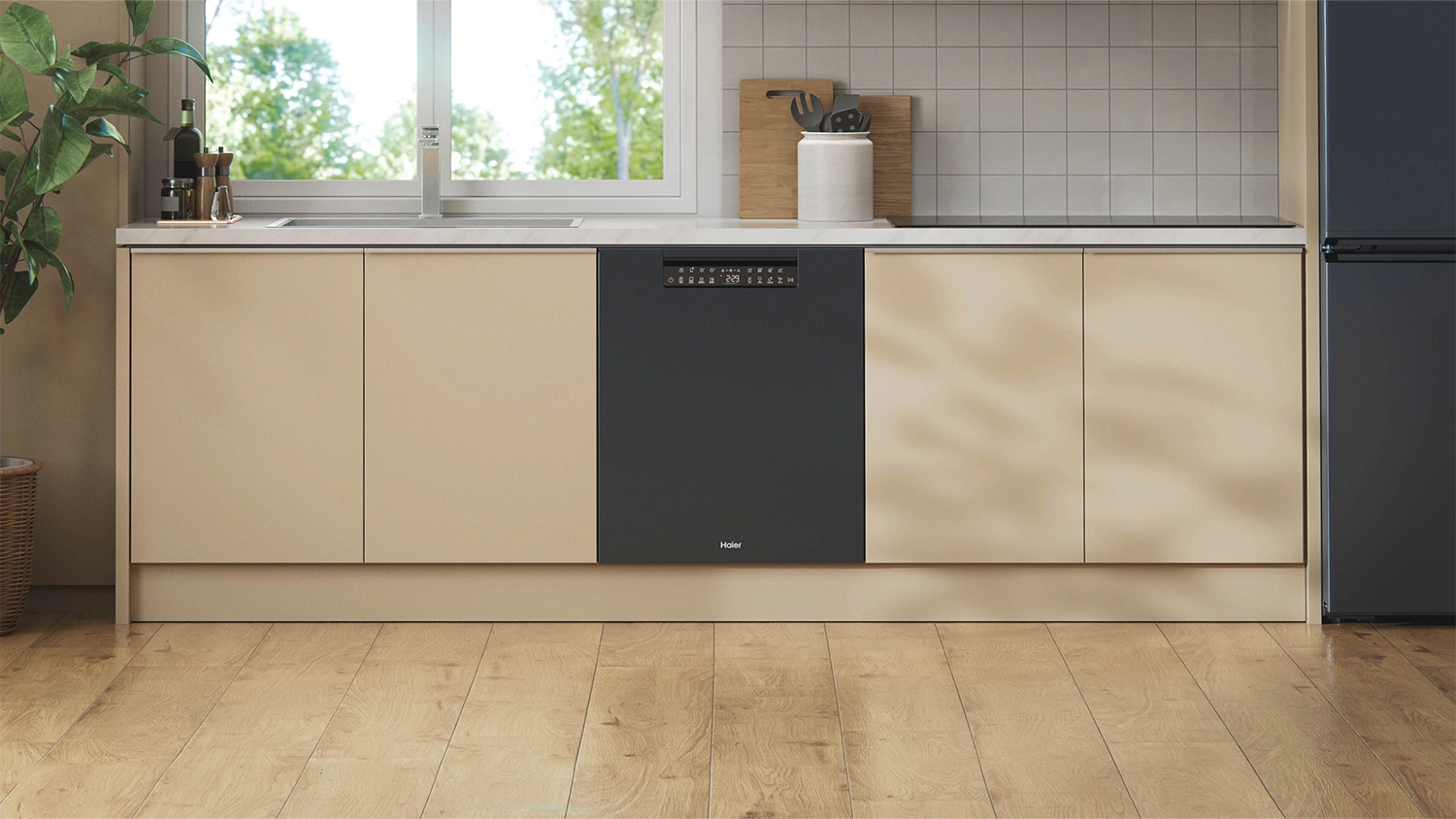
A practical option for homes that need more flexibility. Freestanding dishwashers are easy to install and move. There are also freestanding models with built-under options, such as the Bosch 15 Place Setting dishwasher.

Built-In Dishwashers

Designed to fit neatly and flush under benchtops or countertops, built-in, also known as 'built-under' dishwashers, suit kitchens that need full capacity and a streamlined look while keeping controls and access clear.

Drawer Dishwashers
Drawer Dishwashers

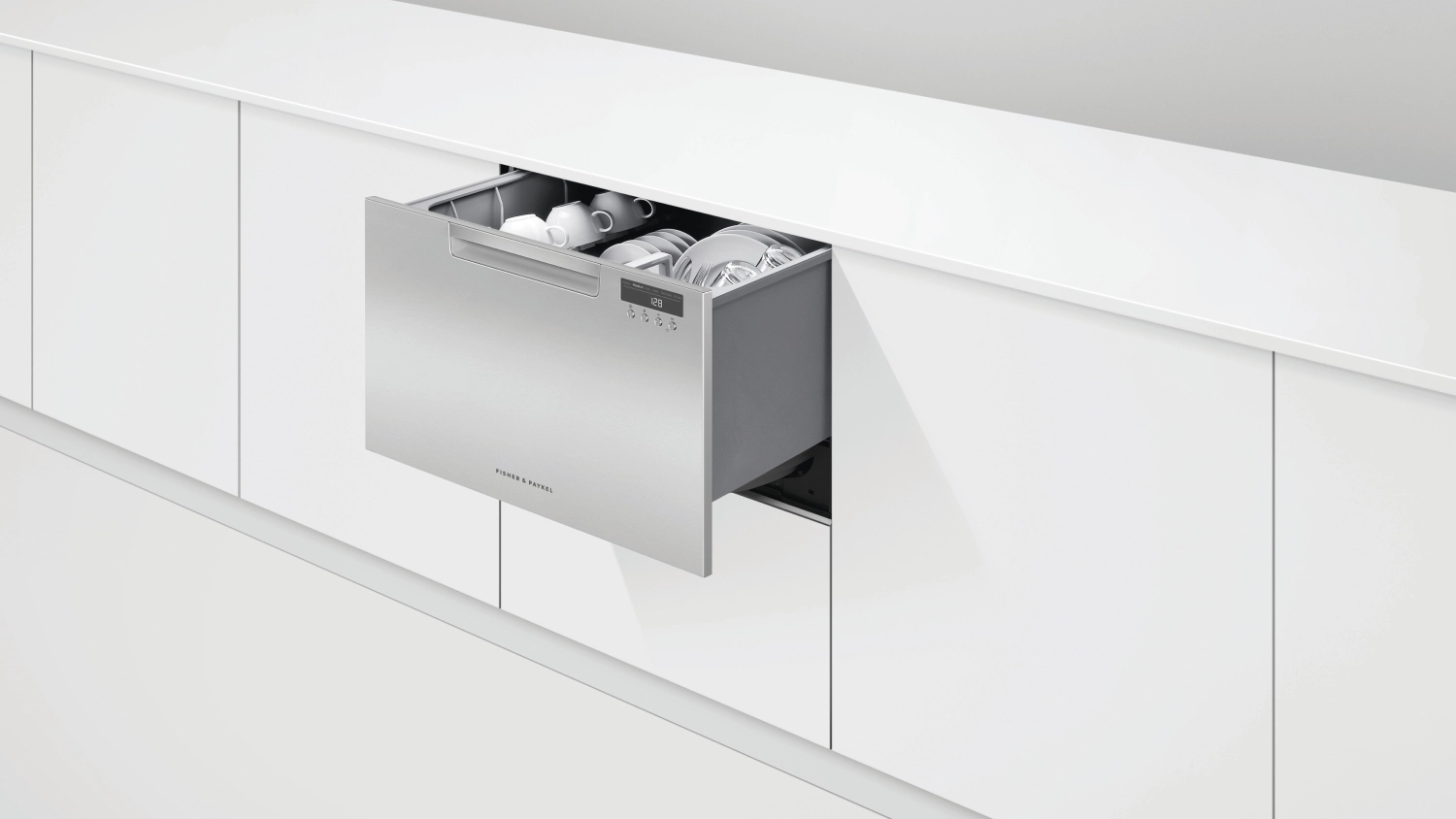
Drawer dishwashers are available in single- or double-drawer slide-out units and are well-suited to smaller households, secondary kitchens, or sculleries where flexibility is important. These are ideal for smaller, more frequent loads. The top drawer of the stacked or double-drawer units may be easier to load and unload (which could mean fewer bends for you).

Fully-integrated and semi-integrated

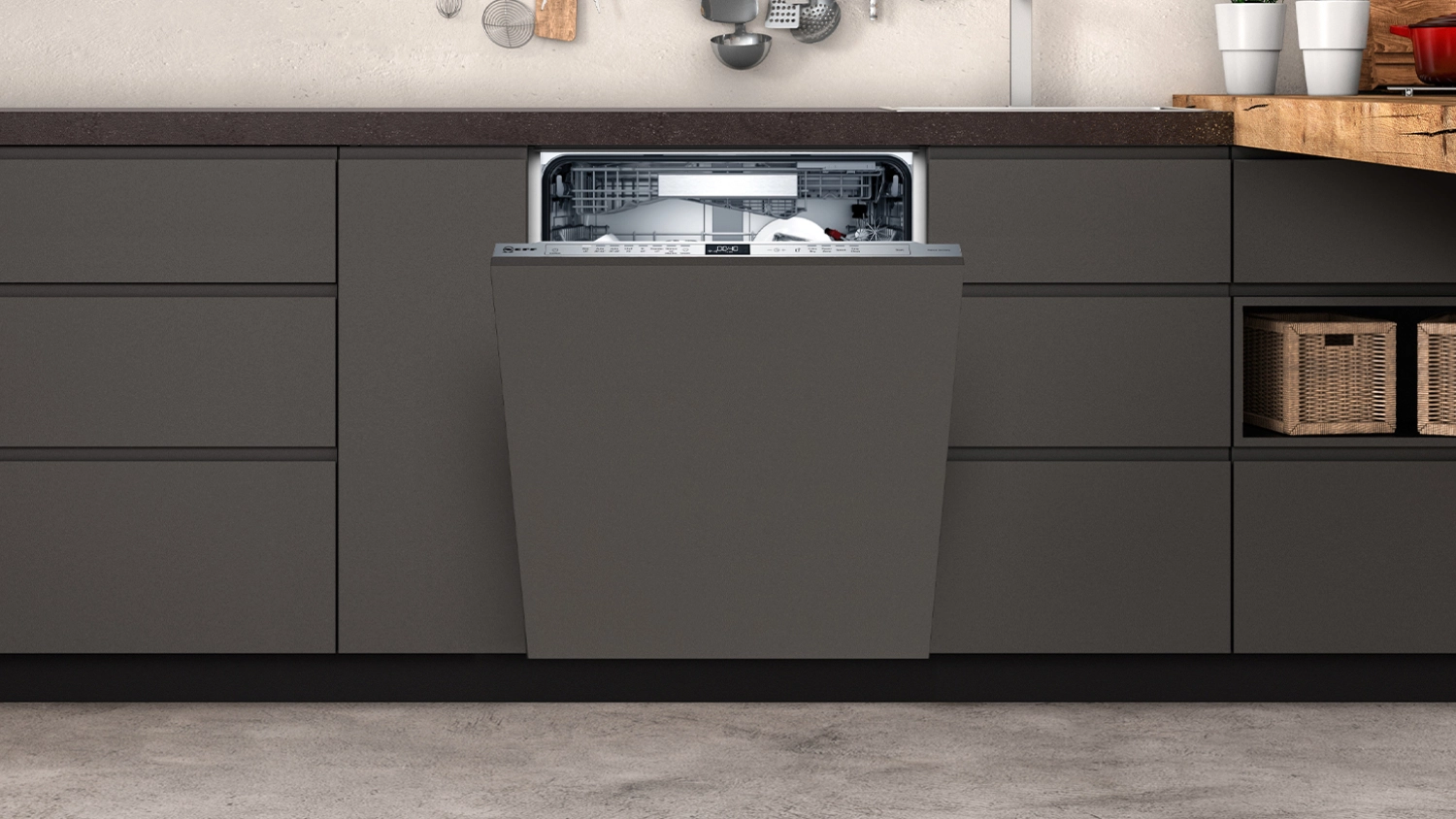
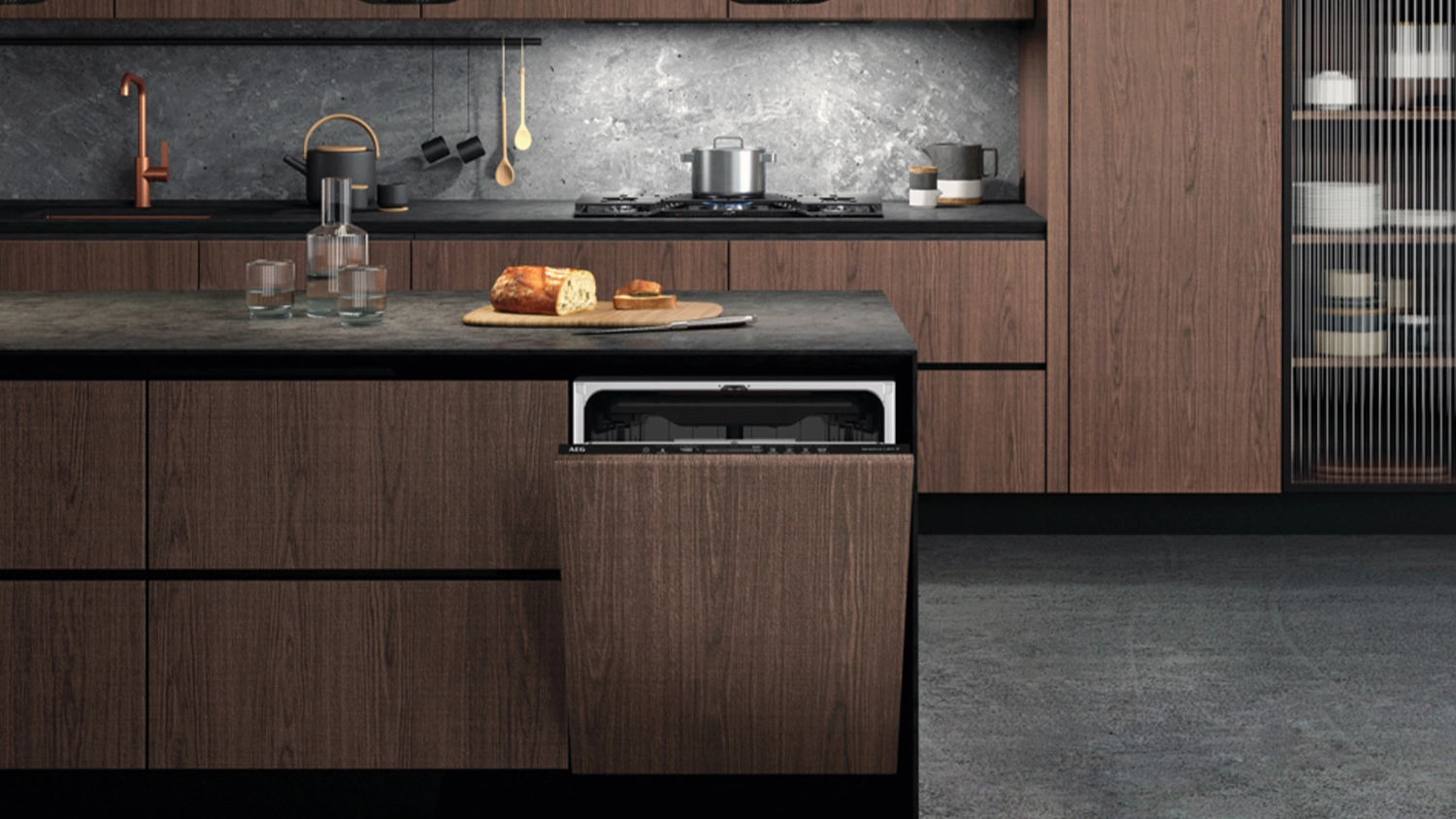
Prefer a seamless, premium look? Integrated dishwashers are perfect when you want your appliances to blend with your cabinetry. Fully integrated models have a fully 'panel-ready' front, with internal controls on the top edge. Semi-integrated models feature a visible control panel at the front, while the rest of the door matches cabinetry.

What size dishwasher do I need?

It really depends on your household's daily routines, needs and available space. Do you prefer to run larger loads less often, or smaller ones more frequently? Are you thinking about retrofitting an existing space? Make sure you pick a model that fits comfortably in your designated spot.

Check the dishwasher's place setting capacity to help you find the right size.

Top view of rustic table setting with eucalyptus, tarnished cutlery, wine glasses, candles and empty plates on tabletop

What's in a single place setting?

A dishwasher's place-setting capacity indicates how many complete sets of dishes and utensils it can hold when filled. Typically, one place setting is designed for one person. Keep in mind that the specific items in a standard place setting can vary slightly by manufacturer. Usually, it features a dinner plate, a soup or cereal bowl, a drinking glass, a cup with a saucer, and a full set of cutlery (a fork, knife, spoon, and a teaspoon). This way, you'll know just what to expect.

For instance, a 14-place-setting dishwasher can wash 14 complete sets of dishes and utensils in one cycle. That's the number of full sets your dishwasher can hold at once.

Compact/Drawer

7-10 place settings are recommended for smaller families, a couple or a family of 4.

Standard capacity

11-14 place setting dishwashers are recommended for medium-sized families.

Large capacity

15+ place setting dishwashers are ideal for bigger families or frequent entertainers.

Dishwasher models by type, capacity, noise, energy & water ratings

Budget bands: Entry (Under $1800). Mid-range ($1900-3600), Premium ($3700-5500).

Model Type Capacity Noise (dBA) Energy Rating Water Rating Drying System Best For Budget Band
Fisher & Paykel Series 7/DD60 Drawer 7 43dBA 3.5 stars 4.5 stars Fan assisted Couples, smaller households Entry to mid-range
Haier HDW10 Freestanding, compact/slim 10 49dBA 3 stars 3.5 stars Natural drying, with Extra Dry option Rentals, smaller households Entry
Miele G 7130/12531620 Built-under/fully integrated 14 40dBA 4.5 stars 6 stars Air and condensation Large households, open plan homes Mid-range
Whirlpool WIE2C19AUSA Fully integrated 14 49dB 3 stars 5.5 stars Condensation drying Designer kitchens Entry
LG QuadWash Built-in 14-15 44dBA 4 stars 5-5.5 stars Condensation drying Large households Entry
Bosch Series 6 Built-in 15-place 42-44dBA 4 stars 5.5 stars Heat Exchanger Open plan homes Mid-range
An AEG fully integrated dishwasher with wood-panel front partially open in a modern kitchen featuring dark wood cabinetry, a stone benchtop, a gas cooktop with cookware, and a cutting board with bread and glasses arranged on the island.

Aesthetics: Match your kitchen style

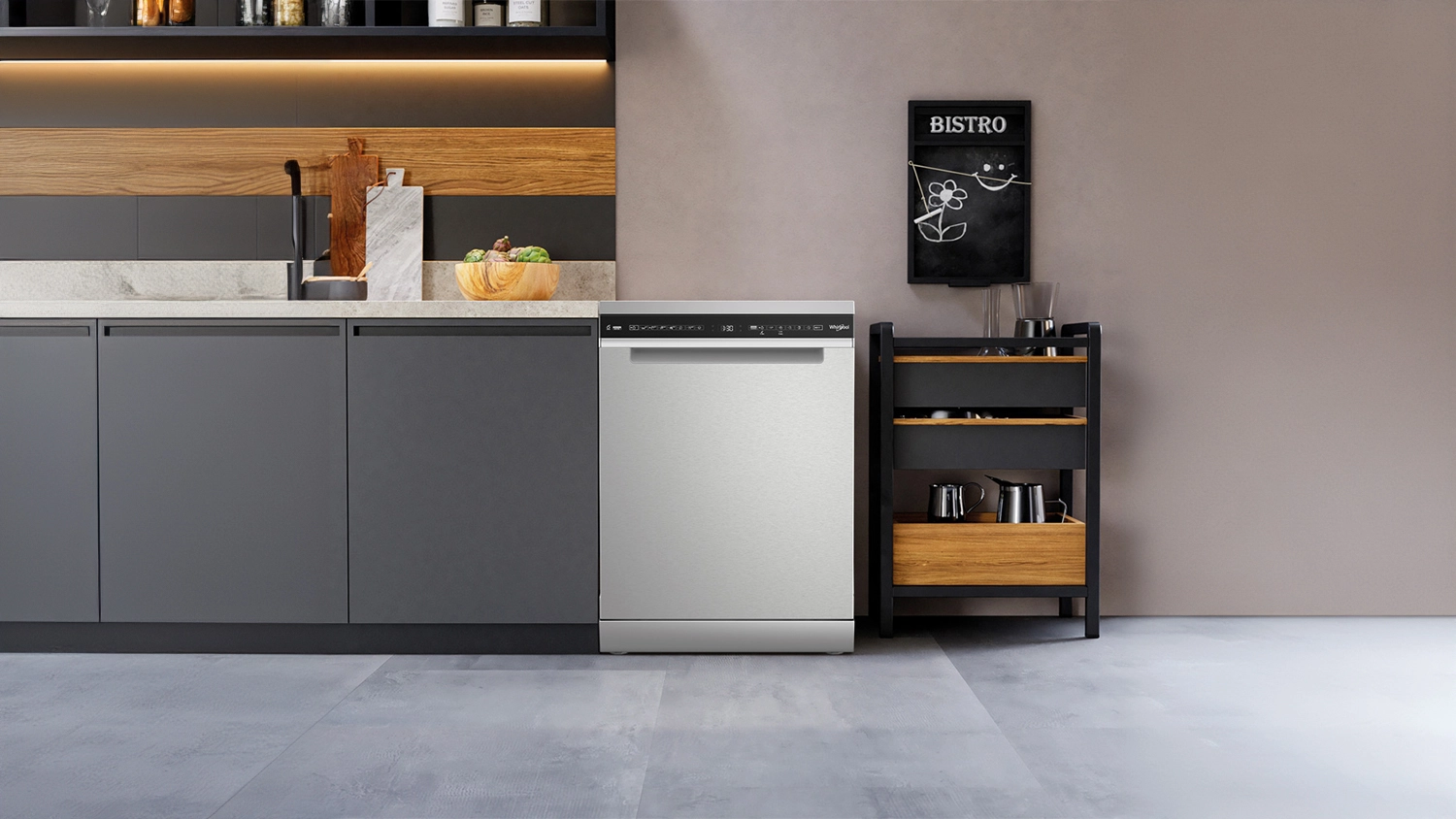
A dishwasher isn't just an appliance; it's part of the room. Maybe you want it to disappear into your cabinetry. Maybe you prefer stainless steel that ties with your oven and fridge. Black, white, patina, panel-ready, minimal controls or a visible display, these details can shift the feel of the whole kitchen.

Tips for choosing a finish

  • Look at the surrounding finishes: your handles, tapware and appliances. You can match accordingly! They're the little details that make all the difference.
  • If you're retrofitting or furnishing a pre-built kitchen, measure twice. Pre-built kitchens don't leave much wiggle room. Confirm the cavity width, height and depth and don't forget door clearance and nearby drawers.

What features should I look for in a dishwasher?

Look beyond the spec sheet and consider what will make daily clean-up easier. The best features support your cooking and cleaning habits and improve your everyday routine.

AEG dishwasher interior featuring SprayZone technology with a glass baking dish placed in the designated red SprayZone area on the lower rack, showing targeted cleaning jets.

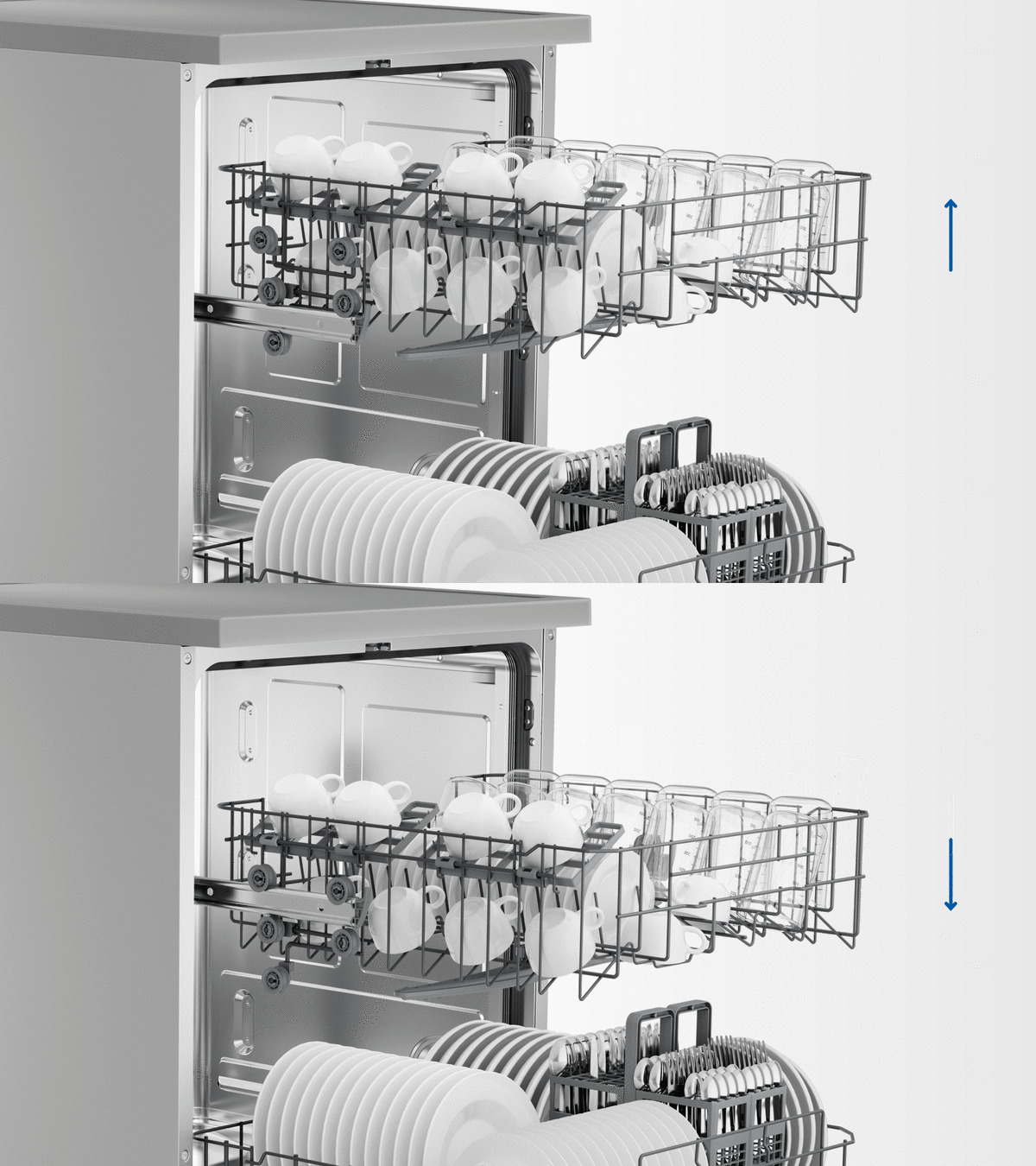
Adjustable racks*, fold-down tines, and cutlery baskets make loading easier by creating space that adapts to the dishes you need washed. Fit awkward items, make more space for pots and pans, and keep everything organised to save time and improve cleaning efficiency. Some models can even fit small bowls in the cutlery rack.

*Whirlpool 14 Place Setting Freestanding (WDBU3I4PIXAU, LG 15 Place Setting QuadWash Built-Under Smart (XD3A25UMB), Haier 15 Place Setting Freestanding (500 Series/ HDW15F1S1).

Sanitising, Hygiene Care, or Hygiene Plus cycles help ensure cleaner dishes and can remove 99.99% of bacteria*, reducing germs from your dishes. These high-temperature, hygiene-boosting settings offer extra reassurance for families, allergy-sensitive households and anyone wanting a deeper, more hygienic clean.

*Samsung Bespoke 15 Place Setting Smart Dishwasher (DW60CB750UAPSA), Samsung 13 Place Setting Freestanding (DW60M6045FW/SA).

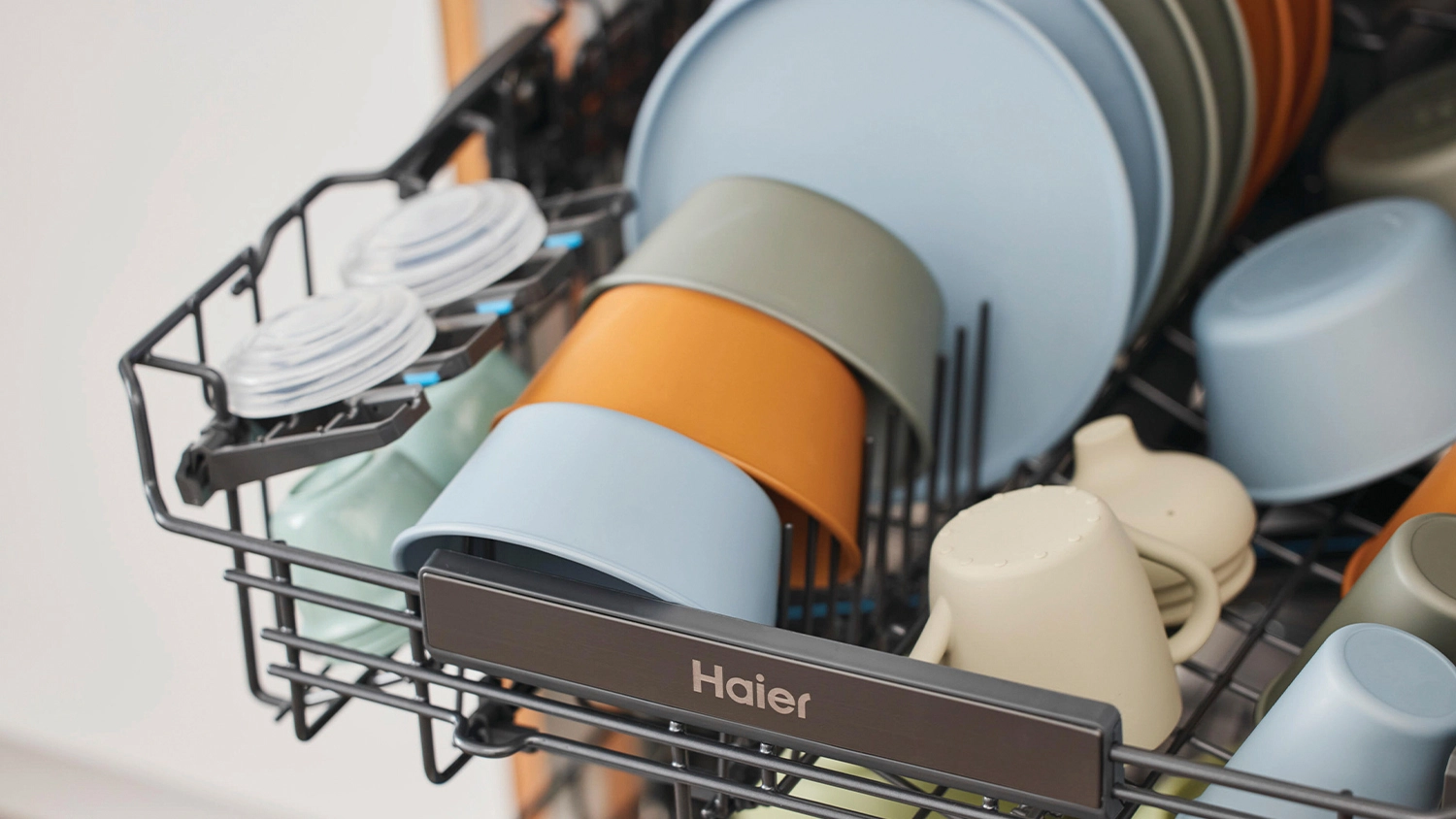
The upper rack of a Haier dishwasher loaded with assorted dishes, including pastel-colored bowls, cups, and plates, including a sippy cup securely arranged in dark grey tines with a dedicated holder for small lids on the left side.

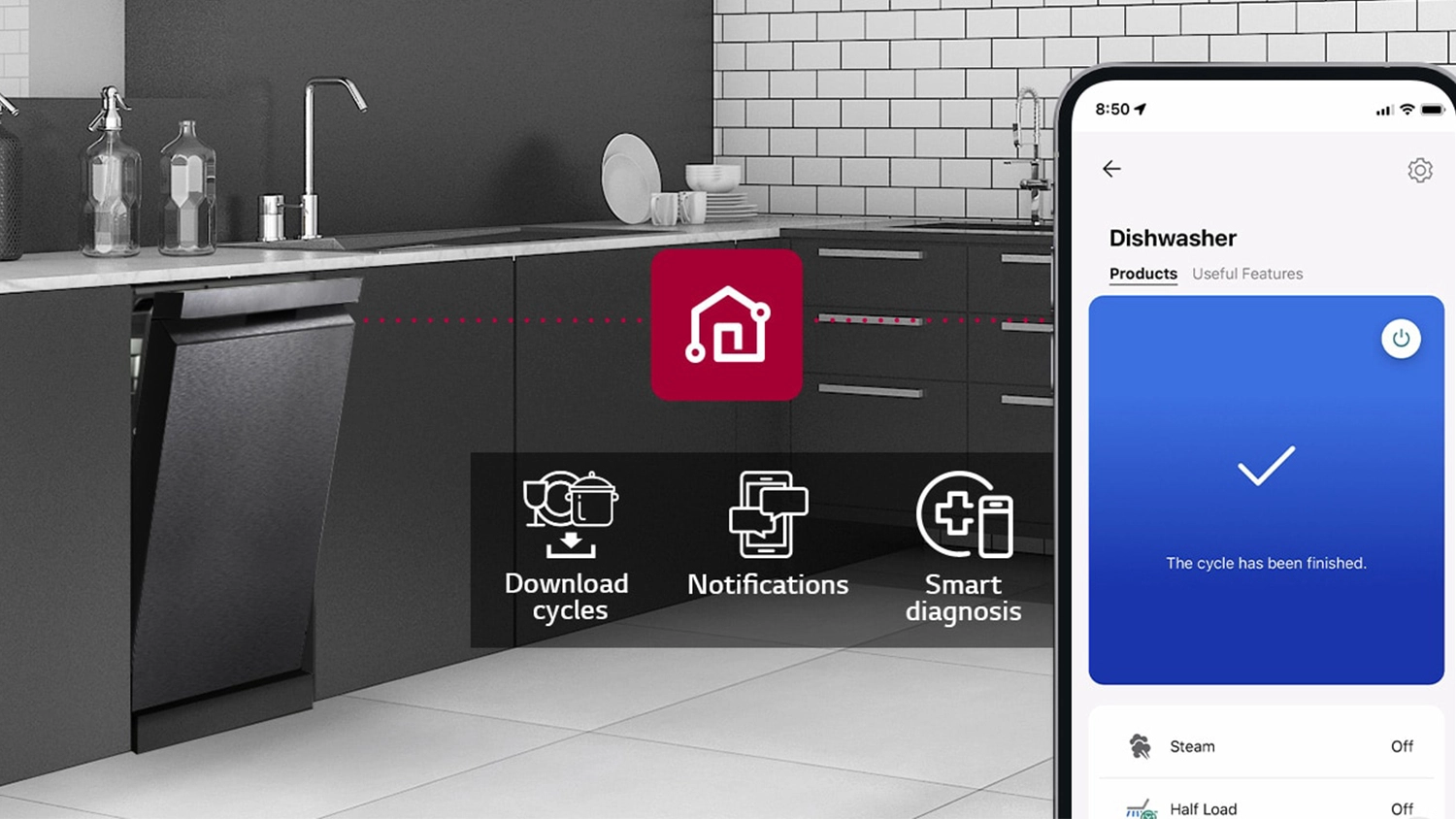
Scheduling and timing functions*, such as time indicators, time-remaining displays, delay starts, end-of-cycle signals, remote starts (all model-dependent), and Wi-Fi or app connectivity, can help you manage your home admin and time more effectively.

*Models with these functions include and are not limited to: Westinghouse 15 Place Setting Freestanding (WSF6606XC), Whirlpool 14 Place Setting Freestanding (WDFS3R4NBSAU), AEG 15 Place Setting Freestanding (FFB53600PM).

An LG smart dishwasher in a modern kitchen with dark cabinetry and white tiled backsplash, partially open under a marble countertop, shown alongside a smartphone displaying the LG ThinQ app with options for cycle status, steam, and half load, plus icons for downloading cycles, notifications, and smart diagnosis.

Eco Wash, load-sensing or Eco Cycle programs can help save water and power. For instance, some Miele dishwashers have EcoPower technology (G 5210/ 11587610) with a water feed designed to reduce water use. Look for eco programs, soil sensors, half-load cycles and low-wash-volume specs if sustainability is a priority.

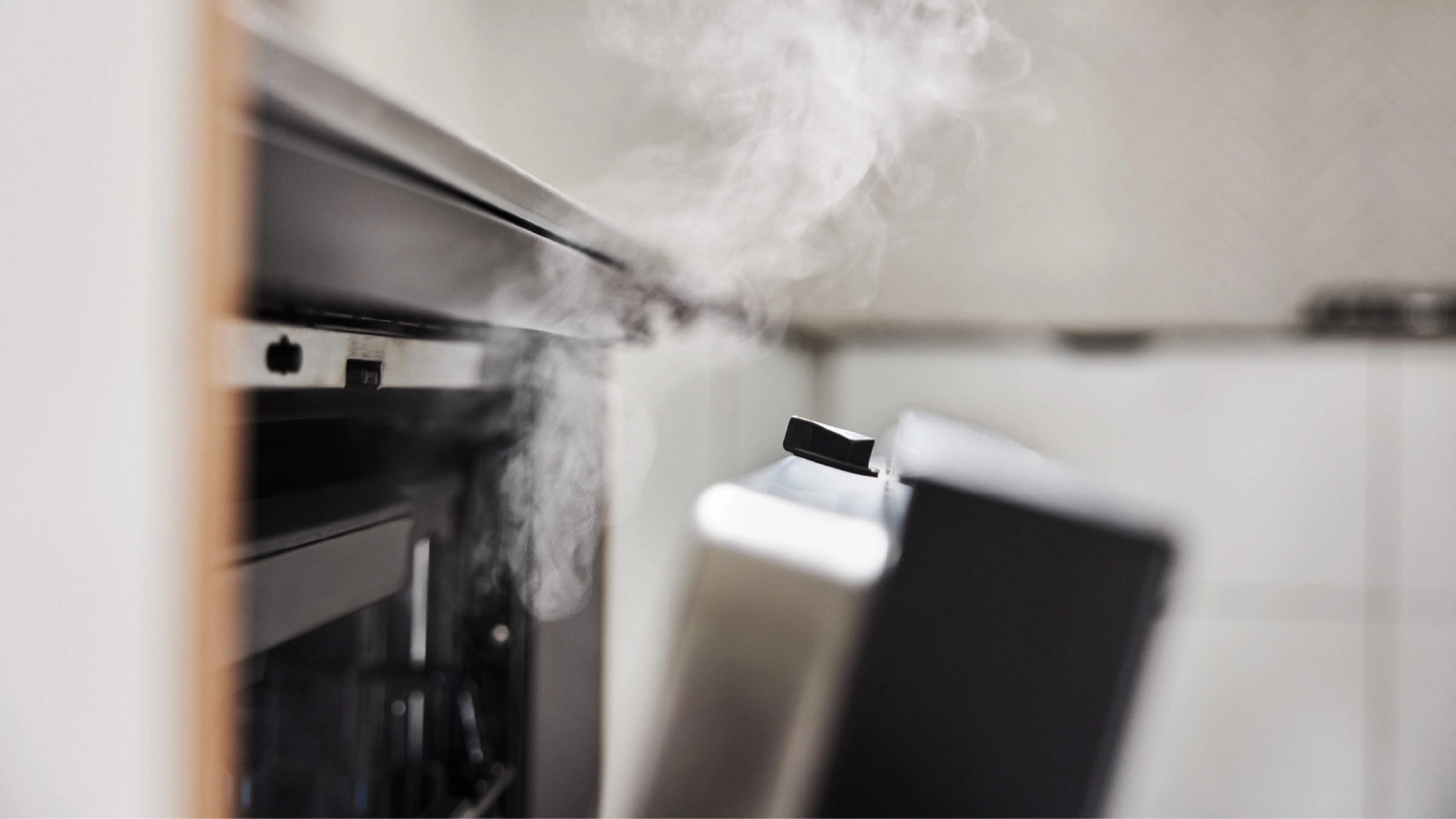
A Haier dishwasher door automatically opening at the end of a cycle with visible steam escaping from the interior, shown in a modern kitchen with tiled walls and soft lighting.

Extra-drying and automatic door-opening* features help your dishes dry as soon as the cycle ends, remove any leftover moisture, and reduce towel drying, giving a cleaner, hygienic result and leaving your dishes ready to go straight into the cupboard.

*Dishwashers with extra-drying functions: AEG 15 Place Setting Freestanding (FFB53600PM), Whirlpool 14 Place Setting Built-Under (WDBU3I4PIXAU).

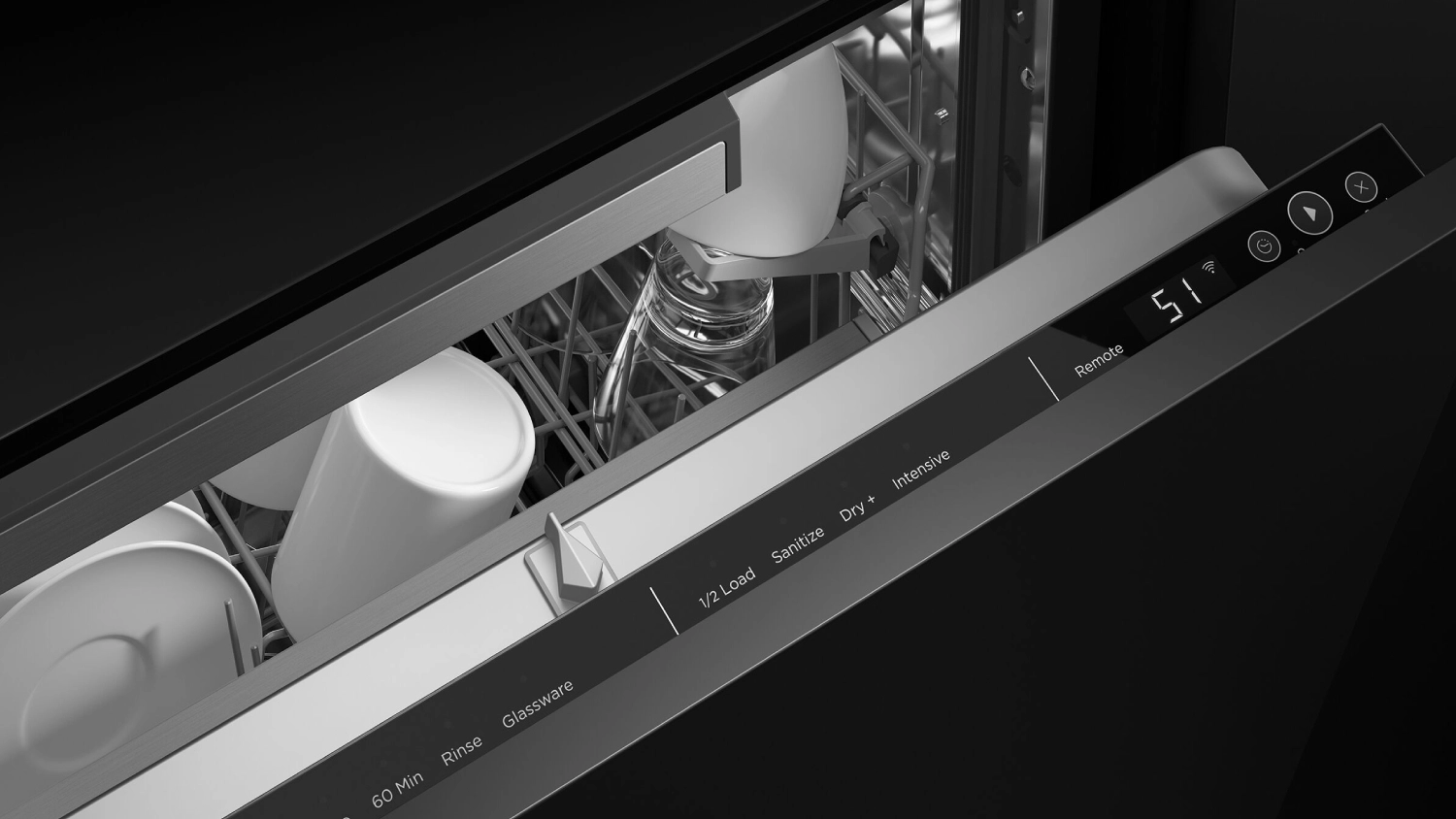
Close-up of an integrated dishwasher door partially open, showing the internal digital control panel with cycle options such as 60 Min, Rinse, Glassware, Half Load, Sanitise, Dry, and Intensive, along with an interior rack loaded with mugs, cups, a drinking glass and some plates.

Safety features like water-leak protection, AquaStop, thermal and flood protection, and child-safety locks give you more peace of mind and help prevent leaks, overheating, and accidental setting adjustments.

Models with flood protection: Bosch 13 Place Setting Freestanding Series 2, Westinghouse 15 Place Setting Freestanding (WSF6606XC), LG 14 Place Setting QuadWash Freestanding (XD5B14WH).

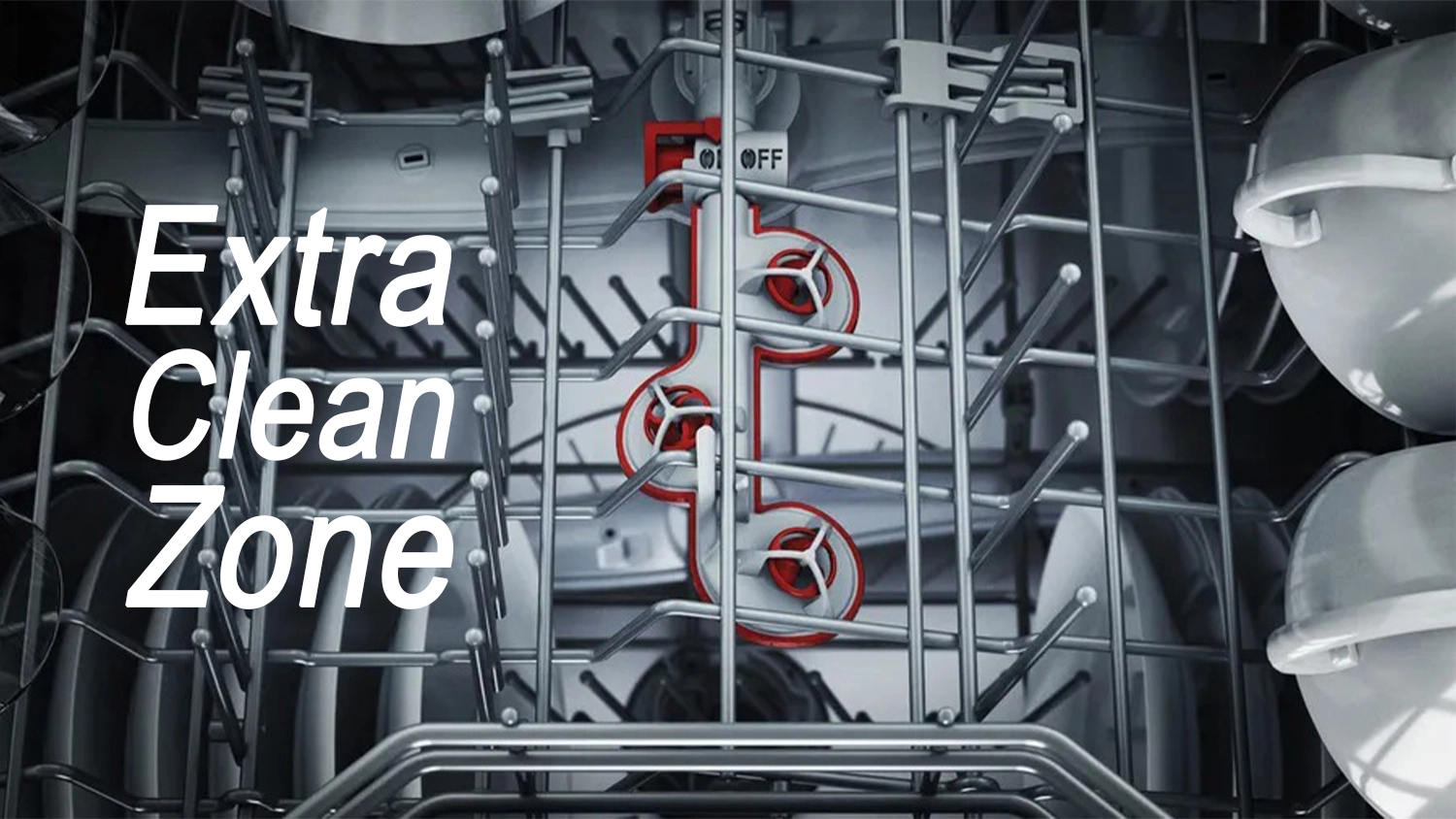
A Bosch dishwasher interior showing the Extra Clean Zone feature with three targeted spray nozzles highlighted in red on the upper rack.
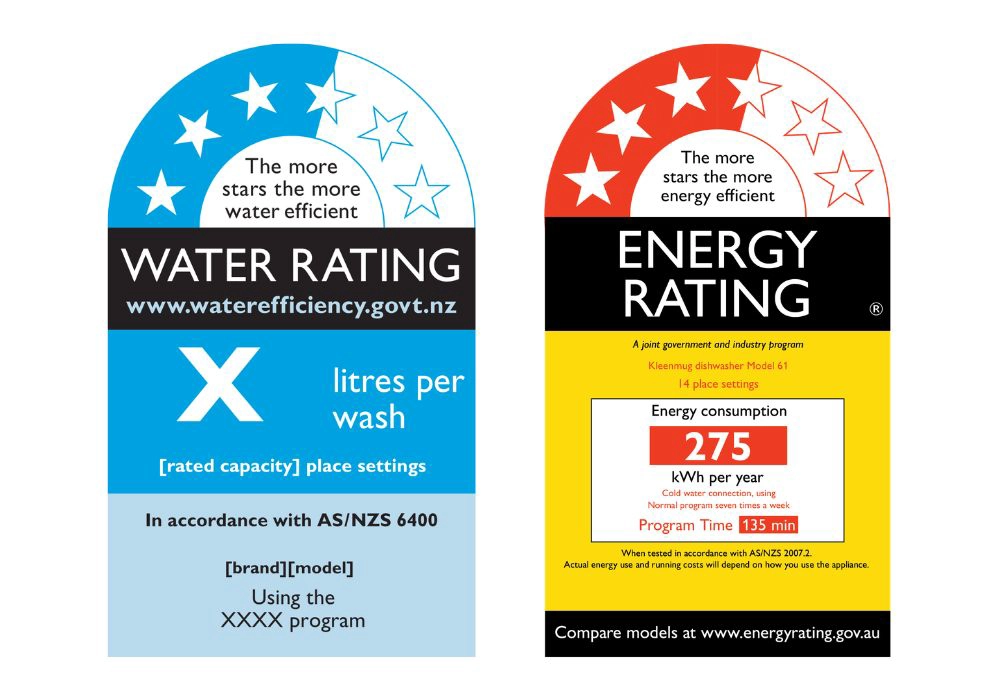
New Zealand and Australian appliance water and energy rating labels displayed side by side, showing the blue Water Rating label with star scale and litres per wash information, and the red and yellow Energy Rating label with star scale and annual energy consumption in kWh.

Energy and water efficiency

Lower your water and power bills while reducing your environmental impact. You'll find the WELS labels or stickers on our display models in-store. If you're shopping online, no worries, WELS and energy ratings are clearly listed on the product pages to help you make an informed choice.

Water(WELS) and energy ratings

  • WELS labels: Dishwashers will have a WELS label to show how water efficient it is. Each dishwasher sticker is unique to the model, and tells you how many litres it uses per wash
  • Energy rating labels: This shows the estimated yearly energy use in kWh (kilowatt-hours per year), so you can compare models easily.
  • Even a small difference in stars can help save you money over time. Choose a dishwasher that balances the size and features you need with a strong rating for longer-term savings.

Check EECA's Efficient Appliance Calculator to compare energy efficiency.

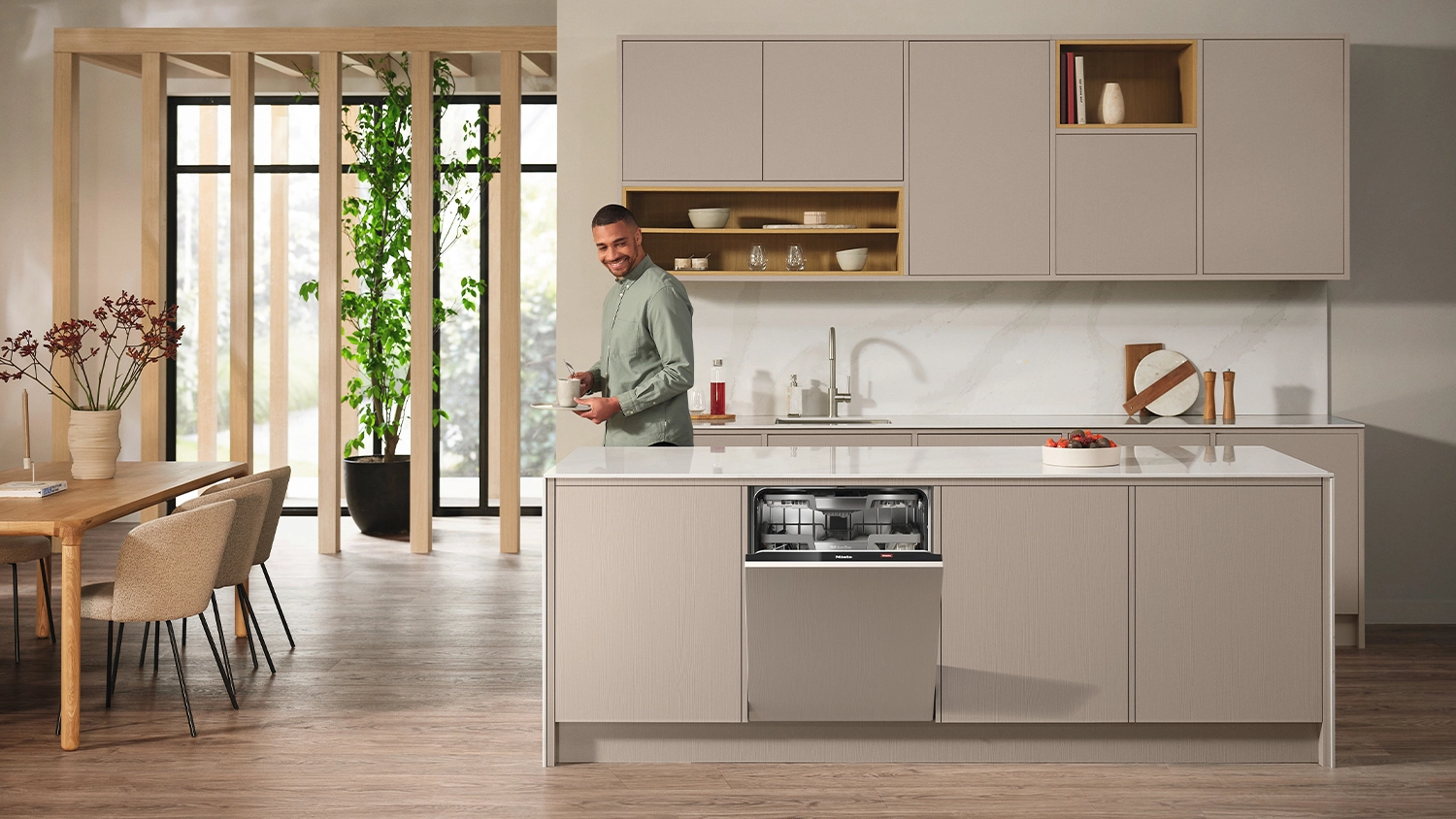
Modern kitchen with light cabinetry and a central island featuring a Miele 15 place setting  fully integrated dishwasher with the door partially open, under a white laminate island with a fruit bowl on top. In the back is a marble-look splashback, open shelving with dishes above the sink, and a dining area on the left with wood furniture and large floor-to-ceiling windows.

Installation requirements in NZ homes

When buying a dishwasher, it's important to check your kitchen is set up for one. Most standard dishwashers in New Zealand are designed to fit a 600 mm-wide cabinet space. In New Zealand, electrical work must comply with the Electricity (Safety) Regulations 2010, and plumbing must comply with the NZ Building Code for water supply and drainage.

Replacing or upgrading?

Chances are, you will already have existing drainage, cold water, and electrical connections in place.

Going with an integrated or semi-integrated model?

These units feature custom panels that must be attached to the front of the dishwasher to achieve an integrated look with the cabinetry. Check if the model includes a front door panel, and note that you may need a qualified cabinetmaker and installer.

Whiteware installation service

Save yourself the hassle by hiring a professional to install your dishwasher, to avoid costly mistakes and warranty voids. Additionally, plumbers also inspect existing connections.

Dishwasher hacks and handy tips

Your trusty mod-con does most of the heavy lifting. But a few simple habits can help you get better washes, fewer rewashes and a bit more out of the machine you already have.

Fun fact: We can thank Josephine Cochrane** for the first commercially successful dishwasher back in 1886. Her clever water-powered design paved the way for the modern machines we rely on today.

A mum teaching her toddler how to load a pair of tongs onto the top rack of a dishwasher. The toddler appears to be taking her job seriously with a focused look on her face. In the bottom rack of the dishwasher is a wooden chopping board.

Only load what's dishwasher safe - especially plastic items. And if you can, avoid wooden spatulas. If unsure, check the item's base or the manufacturer's care guide.

When unloading, start with the bottom rack. Cups and bowls on the top rack can hold small amounts of water, and if you pull them out first, they can drip onto the dishes below.

When loading, angle plates, bowls, and containers slightly downward to help water drain rather than pool on the surface. Avoid nesting items too closely so water can reach the areas more effectively.

Check and clean the filter if dishes aren't coming out as clean as they used to or if water pools inside the machine. Running a cleaning cycle or a Machine Care programme once a month is recommended.

Choose the right cycle and run full loads to save water and power; avoid overcrowding. Full loads use fewer resources than multiple cycles. Eco cycles use less water and power, quick cycles suit lightly soiled dishes, and intensive cycles tackle baked-on food.

Don't forget the folding tines, height-adjustable racks foldable cup racks, etc. Some of these features are easy to miss. Adjustable racks make it easy to fit more pots and pans in the dishwasher's bottom section.

Greasy rangehood filters or dirty microwave plates? You can run them through a quick cycle for a thorough clean. The steam during the drying cycle is very effective at loosening and removing grease. No scrubbing needed!

Have you heard of time-of-use plans for electricity usage? Depending on your electricity provider and plan, you can save power even more by running your cycles and taking advantage of reduced electricity tariffs during off-peak hours.

Don't overdo the detergent - more doesn't necessarily mean cleaner dishes. Using too much can leave residue on plates and glasses. Follow the manufacturer's guidelines and adjust if you notice streaks or build-up.

Less time at the sink, fewer arguments over whose turn it is.

Once you bring your new dishwasher home, you'll wonder how you ever got on without it. Reclaim your time and say ta-ta to the hassle of drying by hand. If you're upgrading or replacing an old or broken unit, you won't need convincing.
Your only real regret might be that you didn't get it sooner!

Dishwasher FAQs

No, not all dishwashers require a hot water connection; at the very least, they only need a cold-water supply.

Explore more kitchen appliance buyer's guides

Fridges and freezers

Find the ideal fridge freezer for your space and lifestyle, whether you're feeding a family, maximising a small kitchen, or reducing your power bill.

Cooktops
Cooktops

Find the perfect cooktop for your kitchen and cooking style. Our guide covers burner types, induction tech, safety features, and sizes.

Ovens
Ovens

Ready to elevate your cooking and kitchen? Our guide helps you choose the right size, style, and features for effortless dinners and baking.

Reference

**Article Title: Who invented the dishwasher? By Author: Beck Little

Please confirm your selection

Store Picker

Travel Mode

Stores